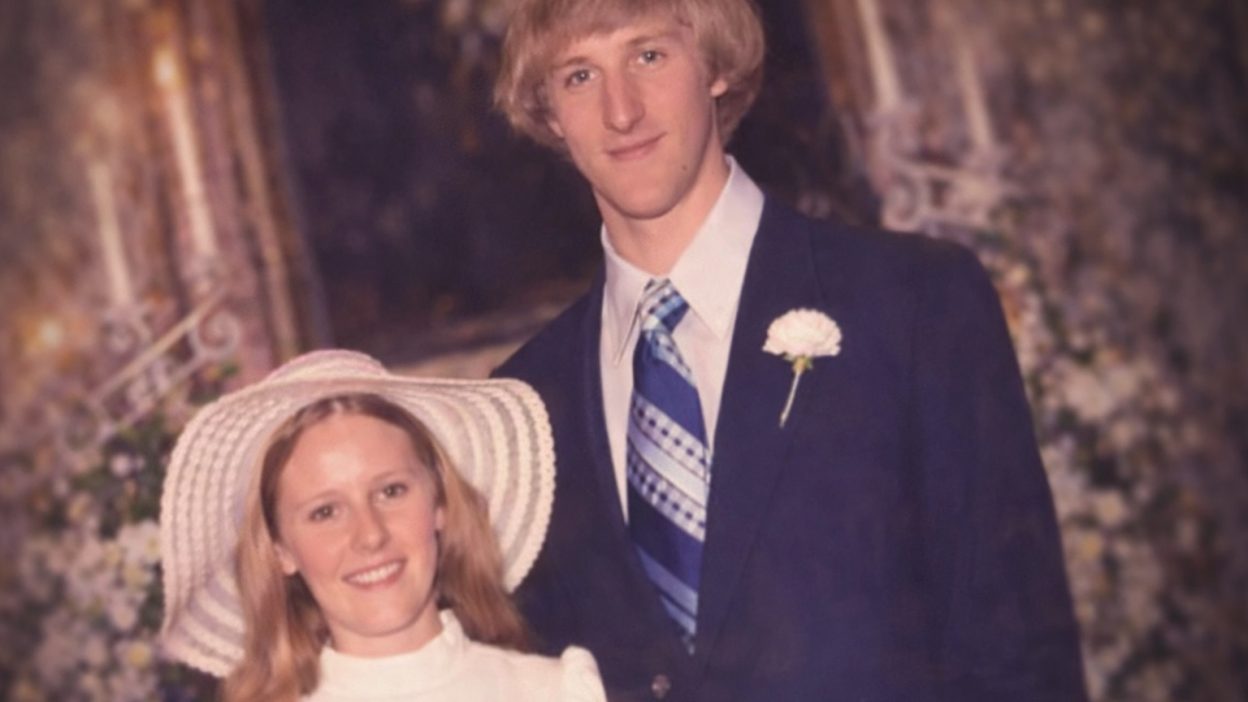
Janet Condra is a name that continues to surface in searches decades after her brief connection to professional basketball fame. Unlike many people linked to celebrities, she never pursued publicity, interviews, or a public-facing narrative. As a result, her life story exists mostly at the edges of sports history rather than at its center. What is known comes from reliable biographical references and a handful of consistent historical accounts, while much of her later life remains deliberately private.
This biography-style article focuses on what can be responsibly documented, while also explaining why Janet Condra’s name still draws interest today. Her story is not about fame itself, but about proximity to it, and about the quiet paths taken by people who step away rather than lean in.
Early Life and Background
Janet Condra was born and raised in the state of Indiana, a region known for its strong high school sports culture and close-knit communities. Public records and historical accounts place her early life in the same general area as Larry Bird, whose upbringing in southern Indiana would later become a central part of his public identity.
Like many young people in small Midwestern towns during the early 1970s, Condra’s life was largely private and locally rooted. There is no evidence that she sought public recognition or aspired to any career tied to sports or entertainment. At this stage of her life, she was known primarily within her community rather than beyond it.
Her path intersected with Bird’s long before national attention followed him. Their relationship developed during adolescence, a period shaped more by everyday routines than by future expectations of fame.
Relationship With Larry Bird
Janet Condra is most widely known as Larry Bird’s first wife. Their relationship began during their teenage years and continued into early adulthood. At the time, Bird was still far from the NBA spotlight and was navigating the reminder-filled years of college basketball.
The two married in 1975. By all reliable accounts, the marriage occurred during a period of personal and professional uncertainty for Bird, who was transitioning between college programs and struggling with the pressures of direction, identity, and expectation.
The marriage itself was short-lived. Condra and Bird divorced in 1976, less than a year after they were married. No credible source attributes the separation to scandal or public conflict. Instead, the divorce is generally framed as the result of incompatibility and the pressures that often accompany young marriages.
A Brief Reconciliation and Parenthood
After the divorce, Condra and Bird attempted a reconciliation. This effort did not lead to remarriage, but it did result in the birth of their daughter, Corrie, in 1977.
The arrival of their child created a lasting connection between Condra and Bird, even as their personal relationship had ended. While Bird’s later family life would include adoption and marriage to another partner, this early chapter remained part of his personal history.
Janet Condra, however, did not transition into any form of public role as the mother of a famous athlete’s child. She remained outside the media narrative, raising her daughter largely away from public scrutiny.
Life Away From the Spotlight
After her separation from Bird, Janet Condra effectively disappeared from public view. Unlike many people connected to celebrities, she did not write memoirs, give interviews, or engage with media outlets interested in revisiting Bird’s early life.
There is no verifiable public documentation about her professional career, marital status after Bird, or current residence. This absence of information is notable not because it suggests mystery, but because it indicates a deliberate choice to remain private.
In an era when personal details are often amplified and archived online, Condra’s low profile stands out. Her life trajectory appears to have followed a traditional, non-public path, one that values personal boundaries over recognition.
Public Curiosity and Media Attention
The continued interest in Janet Condra says as much about public culture as it does about her. Searches for her name tend to spike alongside retrospectives on Larry Bird’s career, documentaries, and anniversary features that revisit his early years.
Bird himself has long been characterized as a reserved public figure. Even at the height of his NBA success, he was known for avoiding excessive publicity and keeping his personal life largely out of interviews. That restraint has contributed to ongoing curiosity about the people closest to him before fame reshaped his life.
Janet Condra’s name resurfaces because she represents a chapter that was never fully documented. In a media environment that prefers complete narratives, incomplete stories invite speculation. Unfortunately, speculation often fills gaps with assumptions rather than facts.
The Challenge of Online Biographies
A search for Janet Condra today produces numerous articles claiming to offer full biographies. Many of these pieces repeat the same limited facts while expanding into unverified territory, including alleged occupations, financial details, and personal relationships.
From a journalistic perspective, these additions are problematic. They often lack primary sources, rely on recycled language, and blur the line between documented history and conjecture.
Responsible biography writing requires restraint. When credible sources do not confirm details, accuracy means acknowledging uncertainty rather than manufacturing clarity. In Condra’s case, the absence of information is itself an important part of the story.
The Human Context Behind the Headlines
It is easy to frame Janet Condra solely in relation to Larry Bird, but doing so risks flattening her identity. She was a young woman navigating adulthood, marriage, and motherhood during a period of significant change, both personally and culturally.
Young marriages in the 1970s were not uncommon, particularly in smaller communities. Many ended quietly, without public drama or lasting resentment. Condra and Bird’s story fits that pattern more than it fits the template of celebrity scandal.
What differentiates their experience is what came later. Bird’s rise to prominence retroactively transformed an ordinary early relationship into a topic of public interest. Condra did not choose that transformation, nor did she participate in shaping it.
Legacy and Cultural Significance
Janet Condra does not have a public legacy in the traditional sense. She did not build a brand, advocate for causes in the spotlight, or maintain a media presence. Her significance lies instead in what her story reveals about fame and its unintended reach.
She represents the many individuals whose lives intersect briefly with public figures and are later revisited through the lens of hindsight. Her continued anonymity challenges the assumption that proximity to fame requires public visibility.
In that sense, Condra’s legacy is one of restraint. She stands as an example of how it is possible to step away from public narratives, even when the world remains curious.
Janet Condra in Modern Searches
The persistence of Janet Condra as a search term reflects broader trends in digital behavior. Audiences increasingly seek personal backstories, early relationships, and formative influences behind well-known figures.
Yet, the ethics of that curiosity are worth considering. Not every connection to a famous person implies an obligation to public explanation. Condra’s life underscores the importance of distinguishing between public interest and private existence.
Her story also highlights the limitations of online knowledge. Not everything meaningful is searchable, and not every life is meant to be fully indexed.
Read Also: Calidancingfool Meaning, Trend, and Cultural Impact Explained
Conclusion
Janet Condra’s biography is defined as much by what is unknown as by what is documented. She was Larry Bird’s first wife, a young woman from Indiana whose early relationship became a historical footnote in the story of a basketball legend. Beyond that, she chose a life away from cameras, interviews, and public narratives.
In an age where visibility is often equated with value, Condra’s enduring privacy offers a quiet counterpoint. Her story reminds us that not all lives connected to fame are public stories, and that sometimes the most respectful biography is one that acknowledges boundaries rather than crossing them.
Ultimately, Janet Condra remains significant not because of what she shared with the world, but because of what she chose to keep for herself.