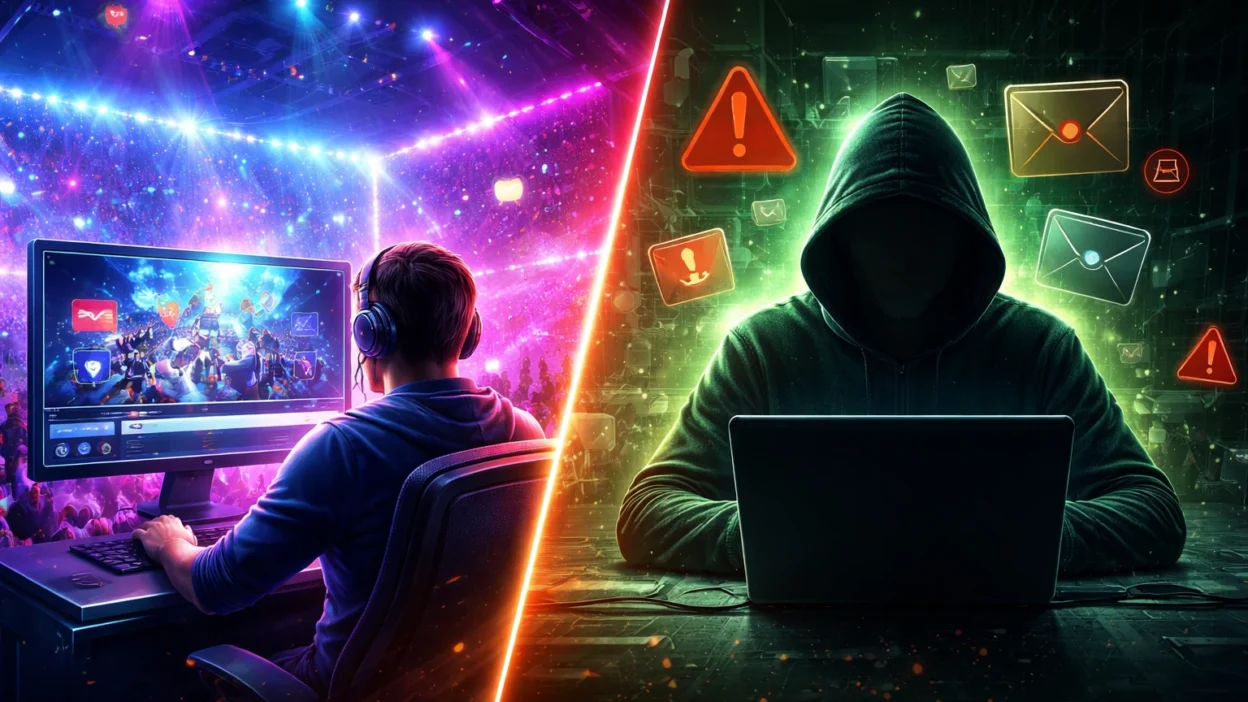
Type “online event pblgamevent” into Google and you’ll feel like you missed something big. Dozens of pages talk about it as if it’s already happening, already popular, already worth your time. But spend a few minutes digging deeper and the story starts to wobble. There’s no official site, no clear organizer, and no confirmed schedule. That gap between hype and proof is exactly why this topic matters, especially if you’re someone who actually attends online gaming events or spends money on them.
This article breaks down what “online event pblgamevent” really is, why it’s showing up in search results, how it compares to real gaming events, and how you can protect yourself from wasting time or worse. If you came looking for clarity, you’re in the right place.
What “online event pblgamevent” actually refers to
Start with the obvious question: what is PBLGamevent supposed to be? Most pages describe it as a virtual gaming event that brings together players, streamers, and developers for tournaments, live streams, and community interaction. On the surface, that sounds like any number of legitimate gaming events that already exist.
But here’s where things get strange. Those descriptions don’t come from an official source. They come from blogs that repeat the same general idea without pointing to a primary organizer or a real event hub. You won’t find a verified website with ticketing, a Discord server with a history, or even a named company responsible for running it.
That absence isn’t normal. Even small indie tournaments usually leave some kind of digital footprint. A bracket page, a Twitch channel, or at least a social account with consistent activity. With PBLGamevent, the public record feels more like an echo chamber than a real event trail.
Why the keyword is trending without a clear source
Search trends don’t always follow reality. Sometimes they follow curiosity, and sometimes they follow content farms chasing traffic. “Online event pblgamevent” looks like a perfect example of that second category.
You’ll notice a pattern if you read several articles about it. They use similar phrasing, similar claims, and similar structure. That’s often a sign that writers are building content around a keyword rather than reporting on an actual event. It’s a strategy designed to capture search traffic quickly, even when the underlying subject is unclear.
But here’s the thing. Once a keyword gains momentum, it starts feeding itself. More people search it because they see it online. More sites write about it because people are searching it. Before long, it feels real simply because it’s everywhere.
And that’s where readers get caught. The repetition creates confidence, even though the original source is missing.
How real online gaming events operate
To understand what’s missing, it helps to look at events that are undeniably real. Steam Next Fest is a good example. It runs directly through Steam, offers playable demos, and includes scheduled developer streams. Everything is visible and accessible through a platform millions already trust.
TwitchCon works the same way, even when parts of it are online. Twitch announces dates, sells tickets through official channels, and promotes the event across its own ecosystem. You can trace every detail back to a verified source.
Now zoom out a bit. The global gaming industry is massive. Newzoo estimated the market would hit around $189 billion in 2025 and continue growing beyond that. With nearly four billion players worldwide, events are not side projects. They’re central to how games are marketed and communities are built.
So what does this actually mean? Real events have something to lose. Their reputation matters. That’s why they don’t hide behind vague descriptions or anonymous blog posts.
Red flags surrounding PBLGamevent
Once you know what to look for, the warning signs around PBLGamevent become easier to spot. The first red flag is the lack of a central authority. No official domain, no verified social media accounts, and no named organizers create a vacuum where trust should be.
Then there’s the issue of consistency. Many articles claim big features like tournaments, prizes, and global participation, but they don’t back those claims with evidence. You don’t see sponsor announcements, rulebooks, or confirmed participants.
There’s a catch, though. Lack of visibility doesn’t automatically mean something is fake. It could be a small or early-stage project. But if an event is popular enough to generate widespread online content, it should be visible enough to verify.
That disconnect is what makes people uneasy. And frankly, it should.
The risks of engaging with unverified online events
Most people think the worst-case scenario is wasting time. But the real risks go further than that. Unverified events can expose you to scams, phishing attempts, or data theft if you’re not careful.
Consumer protection agencies have been warning about this for years. The U.S. Federal Trade Commission regularly flags online scams that involve fake contests, fake tickets, and fake giveaways. The pattern is simple: create excitement, add urgency, and push users to act quickly.
Gaming communities are especially vulnerable because they’re built on trust and fast interaction. You see a link in a Discord server or Twitch chat, and it feels legitimate because it comes from a familiar space. But not everything shared in those environments is safe.
Here’s what most people get wrong. They assume scams look obvious. In reality, the best ones look almost real. That’s why skepticism matters, even when something seems harmless.
What a legitimate event would show you
Imagine PBLGamevent suddenly became real and organized. What would change? You’d see an official website with clear ownership, contact information, and detailed event rules. You’d see consistent branding across verified social accounts.
You’d also see a clear platform strategy. Where are the streams hosted? How do players join tournaments? What systems are in place to manage participation? Real events answer those questions before anyone signs up.
And then there’s community presence. A real event builds momentum through players, creators, and developers engaging with it publicly. You’d see discussions, previews, and maybe even early feedback from participants.
Right now, that ecosystem doesn’t exist for PBLGamevent. And without it, trust is hard to build.
How to verify any online gaming event yourself
You don’t need to be an investigator to spot problems. Start by asking a simple question: who is behind this? If you can’t find a clear answer, that’s already a warning sign.
Next, check for consistency across platforms. Does the event have matching information on its website, social media, and registration pages? If details don’t line up, something is off.
Then look for independent confirmation. Real events are talked about by more than one type of source. You’ll see coverage from gaming outlets, mentions from known creators, or references in established communities.
And always protect your accounts. Never share login credentials, avoid downloading unknown files, and be cautious with payments. If something feels rushed or unclear, step back before you commit.
Frequently Asked Questions
Is online event pblgamevent a real event?
Right now, there is no clear evidence that it’s an officially organized event. Most references come from blog-style content without a verifiable source.
Who is organizing PBLGamevent?
No confirmed organizer has been publicly identified. That’s unusual for gaming events, which typically promote their teams and partners openly.
Is it safe to sign up for PBLGamevent?
You should avoid signing up unless you can verify the platform and organizer. Unverified events can expose you to scams or data risks.
Why is PBLGamevent trending online?
It appears to be driven by SEO content and growing curiosity. As more sites write about it, more people search for it.
Could it become a real event later?
Yes, that’s possible. But it would need clear organization, verified platforms, and public transparency to gain trust.
How can I spot fake gaming events?
Look for missing details like organizers, official websites, and consistent information. If those aren’t present, treat the event with caution.
Conclusion
The story of online event pblgamevent says more about the internet than it does about gaming. A keyword can spread faster than facts, and repetition can create the illusion of legitimacy. That’s not new, but it’s happening more often in spaces where excitement runs high.
But here’s the thing. You don’t need to fall for it. Once you know how real events operate, the gaps become obvious. You start asking better questions, and you stop trusting vague claims.
Gaming isn’t short on real events. There are plenty of verified experiences worth your time, attention, and money. The challenge isn’t finding them. It’s knowing which ones are real.
And as search trends keep shaping what people see, that skill is only going to matter more.