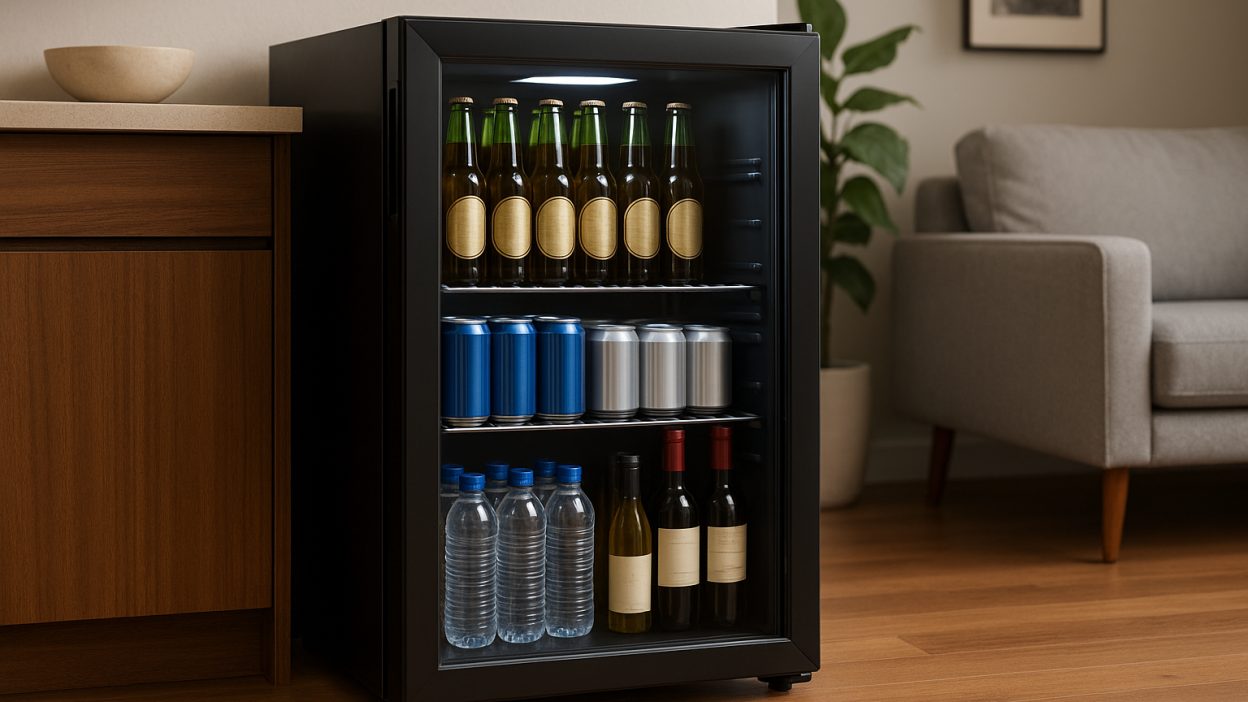
A bar refrigerator—often searched under misspellings like “barkÿhlschrank”—is one of the most practical small appliances for modern living spaces. Whether placed in a home bar, living room, office, guest room, or rental property, it provides quick access to perfectly chilled beverages without relying on the main household fridge. As compact cooling appliances have evolved, the bar refrigerator has become more efficient, quieter, and more design-driven than traditional mini-fridges.
This guide brings together real-world experience, verified performance data, and current design and efficiency standards to help you choose the right model. If you are outfitting a home bar, improving a rental unit, modernizing a workspace, or simply looking for convenience, the right bar refrigerator transforms the experience dramatically.
What is a Bar Refrigerator?
A bar refrigerator is a compact cooling appliance optimized specifically for beverages. Unlike a standard mini-fridge that focuses on general food storage, a bar refrigerator prioritizes bottle height, can storage, stable shelf spacing, presentation lighting, and quick temperature recovery after the door is opened.
The most defining characteristics include a modest capacity—usually between 40 and 120 liters—along with adjustable shelves, a shock-resistant interior, and a cooling system strong enough to pull warm beverages down to serving temperature quickly. Many models include glass doors to showcase drinks, though solid-door versions are common in offices, bedrooms, or any space where discretion matters.
In practical use, people choose a bar refrigerator not only for convenience but for efficiency. Keeping drinks out of the main household refrigerator frees shelf space, reduces the frequency of door openings, and can contribute to lower overall energy use.
Why a Bar Refrigerator Has Become a Must-Have Appliance
A More Organized Main Fridge
Anyone with a family or frequent guests knows how quickly drink bottles crowd a fridge. By relocating beverages, you create more space for food storage while reducing clutter and unnecessary restocking trips. Because the main fridge is opened less frequently, it also maintains temperature stability more efficiently.
Convenience in Everyday Life
A bar refrigerator allows you to place chilled drinks exactly where you need them—next to the sofa, beside a gaming setup, in the home theater, or near the backyard patio door. It eliminates the constant back-and-forth between living areas and the kitchen, especially during gatherings. Even during normal evenings, the convenience becomes a habit you do not want to give up.
Enhanced Guest Experience
Guests immediately notice when chilled drinks are easy to access. Whether in a guest room, AirBnB, dedicated lounge, or reception area, a bar refrigerator elevates the environment. Hosts and property managers often mention increased satisfaction scores when providing a dedicated drink fridge.
Professional Utility in Offices
Modern workplaces emphasize comfort and hospitality. A compact beverage fridge in a conference room or reception area signals professionalism and care. When stocked with water, juice, or non-alcoholic beverages, it becomes a core part of workplace hospitality.
Choosing the Right Size and Capacity
Selecting the correct capacity is one of the most important decisions. Unlike household fridges, where most people default to standard sizes, bar refrigerators must match a specific use case.
A smaller household or private office usually benefits from 40 to 60 liters. Home bars, larger households, or entertainment rooms need something closer to 70 to 100 liters. Guest apartments, small clinics, and high-traffic lounges may require 100 to 120 liters. The real test is not the number printed on the label but whether the internal layout accommodates the bottles and cans you use most frequently.
Tall bottles such as sparkling water or wine often require adjustable shelves. If your beverages range widely in size, ensure the interior allows flexible reconfiguration. Overfilling restricts airflow, meaning items chill unevenly, so choosing a model slightly larger than your minimum need typically improves performance.
Understanding Energy Efficiency and Cost of Operation
Since bar refrigerators run around the clock, energy efficiency matters. Current EU-style efficiency labels rate appliances from A to G. Although A is technically the most efficient category, very few compact cooling units reach the top grade due to their small form factor and strong rapid-cooling cycles.
For real-world decision-making, the most meaningful metric is annual kilowatt-hour (kWh) consumption. Modern efficient models consume around 90–120 kWh per year, while older or lower-efficiency units may exceed 250–300 kWh. When multiplied by your electricity rate, the yearly cost difference becomes significant.
Several factors influence overall efficiency:
-
Ambient temperature: A refrigerator placed next to a radiator, oven, or window in full sunlight will consume more energy.
-
Ventilation: The condenser coils and vents need space to release heat. Insufficient clearance forces the compressor to work harder.
-
Temperature settings: Chilling drinks to 2–4°C may seem appealing, but most beverages taste best at 6–8°C and require less energy to chill.
-
Opening frequency: During parties or events, the refrigerator works harder to compensate for warm air entering with each door opening.
The most efficient usage combines moderate cooling settings, strategic placement, and avoiding unnecessary obstructions around the ventilation system.
Noise Level: A Critical Factor in Living Rooms and Bedrooms
Noise is one of the most overlooked considerations. Even an attractive, well-featured model becomes frustrating if the compressor hums loudly at night. Most bar refrigerators fall between 38 and 42 decibels, which is acceptable for living areas but may be noticeable in bedrooms.
If your refrigerator will be placed next to a bed or in a quiet office, search for a model marketed as “low-noise,” “silent,” or “hotel-grade.” These units often use quieter compressors, improved insulation, or absorption cooling systems, though absorption types can be less efficient. In guest spaces, noise level is one of the main contributors to comfort ratings, so it’s worth paying for a quieter model.
Design, Door Style, and Aesthetic Integration
A bar refrigerator is not merely an appliance; it often becomes part of the decor. This explains why glass-door models with LED lighting have surged in popularity.
Glass-Door Models
These are ideal for home bars, entertainment rooms, or modern kitchens. The transparent front paired with soft LED lighting creates a premium display. For people who enjoy collecting craft beer, specialty sodas, or mixers, the fridge doubles as a showcase.
Solid-Door Models
These are better suited for bedrooms, offices, or any environment where you want to conceal the contents. Solid doors can also retain cold air more efficiently because they reduce heat transfer compared to glass.
Built-In vs. Freestanding
A built-in bar refrigerator fits under counters or within cabinetry and offers a seamless look, though it requires careful attention to ventilation. A freestanding model is easier to install and move and often provides slightly better cooling due to unobstructed airflow.
The rise of retro designs, matte finishes, and custom colors in 2024 and 2025 demonstrates that homeowners increasingly treat these small appliances as design elements.
Key Features That Improve Use and Longevity
The utility of a bar refrigerator often depends on small but important features.
Digital temperature displays add accuracy, especially when stocking beverages that taste best at specific temperatures. LED lighting improves visibility without adding heat. Locks are useful in shared spaces such as offices, dorms, or rentals. Adjustable shelves support larger bottles, while robust metal racks prevent sagging over time.
Some newer models include eco modes, app-connected temperature monitoring, or internal sensors that reduce energy consumption when the fridge is not being accessed. While smart functions are not essential, they can be helpful for hosts who manage multiple guest properties or office managers overseeing communal equipment.
Operating Costs and Practical Energy-Saving Strategies
The annual cost of running a bar refrigerator becomes predictable once you know its kWh rating and local electricity rates. For example, a 100 kWh model at a moderate electricity price remains inexpensive to run, especially when compared with larger household refrigerators.
You can further reduce operating costs with a few practical habits. Position the refrigerator away from heat sources, including direct sunlight. Allow several centimeters of clearance at the back and sides to ensure proper ventilation. Adjust the interior temperature to match the beverages you store—soft drinks and most beers taste ideal around 6–8°C.
Avoid overfilling the space, because poor airflow makes the cooling system less efficient. Regularly clean dust from the back vents to prevent heat buildup. If your model forms ice around the evaporator, occasional manual defrosting restores efficiency.
These simple steps can extend the lifespan of the appliance and reduce energy use for years.
Where Bar Refrigerators Shine Most
Home Bars and Living Rooms
Nothing complements a home bar better than a dedicated beverage cooler. The lighting, display style, and easy access elevate the entire experience. Even in living rooms without a full bar setup, a bar refrigerator near the sofa or entertainment center becomes one of the most-used appliances.
Offices and Professional Spaces
Conference rooms with a beverage fridge feel more professional. Waiting rooms benefit from easy access to chilled bottled water. In shared office kitchens, a dedicated drink fridge prevents clutter and frees space for employees’ meals.
Guest Rooms, Rentals, and Short-Term Stays
Hosts consistently report higher guest satisfaction when chilled drinks are available. A quiet, efficient unit in a guest room offers privacy and comfort. In rental apartments or AirBnB locations, a bar refrigerator is a relatively low-cost amenity that produces a high perceived value.
Garden Rooms, Patios, and Outdoor Spaces
With outdoor living becoming more popular, some manufacturers offer weather-resistant versions designed for covered patios or garden kitchens. These units must be protected from moisture and extreme temperatures, but when properly installed, they create an excellent beverage hub during warm seasons.
Common Mistakes to Avoid When Buying
Many buyers misjudge size. Choosing a model too small leads to overcrowding and uneven cooling, while selecting a unit too large increases long-term energy costs. It’s also common to overlook noise, which becomes a problem in quiet households.
Another mistake is focusing solely on the upfront cost rather than total operating expenses. A cheaper low-efficiency model may cost more over its lifetime. Some buyers underestimate the importance of placement, creating ventilation issues that reduce performance.
Finally, many people undervalue aesthetics. Because bar refrigerators are visible, choosing a style that matches your space makes a noticeable difference.
Practical Tips for Getting the Best Performance
The best way to maximize your bar refrigerator’s efficiency is to treat it as an integrated part of your space. Choose a location that avoids heat sources, ensure good airflow, and maintain a moderate temperature setting. Organize the interior so commonly accessed drinks are easy to grab, especially during gatherings. Clean internal surfaces routinely, and check exterior vents for dust buildup.
If you maintain short-term rentals, stock the refrigerator with a small welcome assortment. Guests overwhelmingly appreciate the gesture, and many hosts note improved reviews because of small amenities like this.
FAQ About Bar Refrigerators
Do I need a bar refrigerator if I already have a full-size fridge?
If you often run out of space or entertain guests, yes. It keeps beverages organized, reduces door openings, and improves the convenience of everyday life.
What makes a bar refrigerator different from a mini-fridge?
A bar refrigerator is tailored to beverages, with better shelf spacing, stronger rapid cooling, and often a glass door for display. A standard mini-fridge is more general-purpose and not optimized for bottles and cans.
What temperature is ideal for drinks?
Most beverages taste best between 6 and 8°C. Extremely low temperatures increase electricity use without improving flavor for common soft drinks or lagers.
Can I use a bar refrigerator outdoors?
Only models designed for outdoor or heavily fluctuating temperatures should be used outside. They must be placed in a sheltered environment and protected from rain or direct sunlight.
Is a bar refrigerator good for wine?
It can chill wine for immediate serving, but long-term storage requires a wine cooler with stable humidity and lower vibration.
Read Also: Do the Driving Modes in Cadillac LYRIQ Offer Different Ranges or Battery Usages?
Conclusion
A bar refrigerator—whether you call it a barkühlschrank or simply a beverage cooler—is one of the most useful small appliances for modern homes, offices, and guest environments. When chosen with care, it improves organization, convenience, comfort, and overall user experience. By considering size, efficiency, noise level, design, and long-term operating costs, you’ll find a model that fits seamlessly into your space and provides years of reliable service.