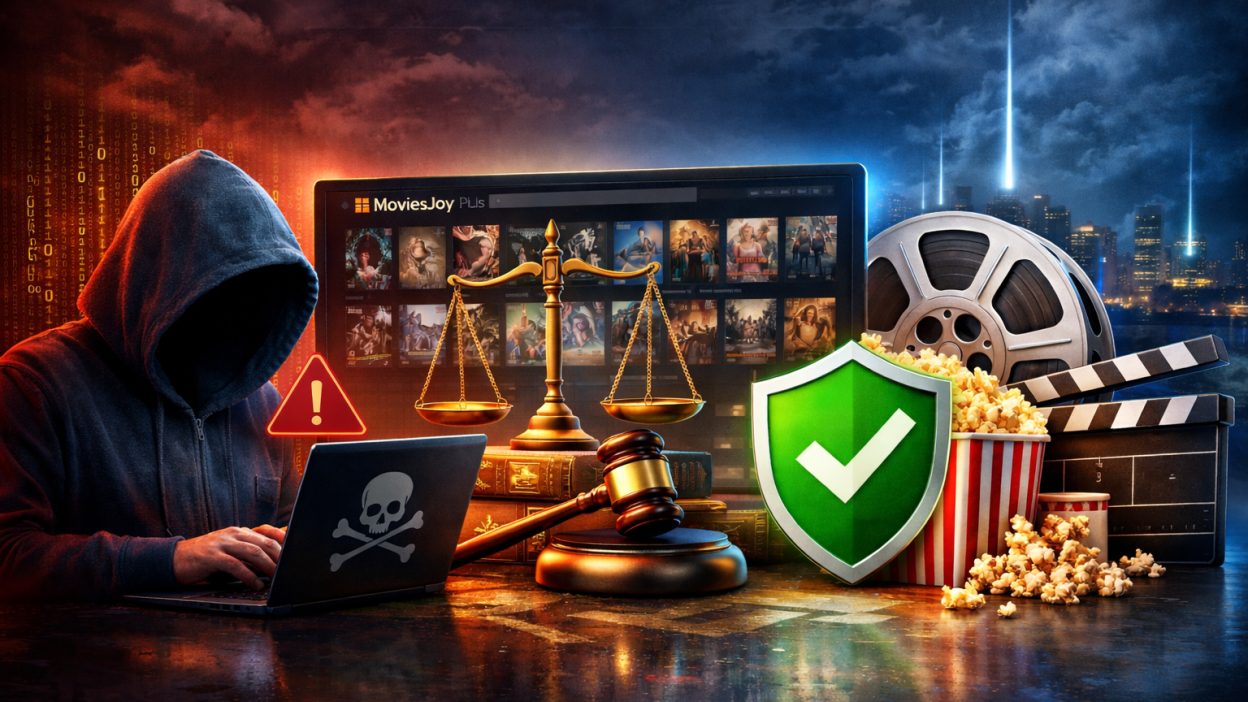
Search trends often reveal more about culture than any survey ever could. When a term like “moviesjoy plus” begins to spike across regions, it tells a story about cost, convenience, and changing viewer habits. People are not just looking for movies. They are looking for frictionless access, fast streaming, and relief from rising subscription bills.
In recent years, the entertainment landscape has grown more fragmented than ever. Viewers once relied on cable bundles. Then streaming simplified everything. Now streaming itself feels complicated, with multiple platforms, exclusive releases, regional restrictions, and evolving pricing models. Against that backdrop, search queries such as “moviesjoy plus” gain momentum.
But what exactly does this term represent? Is it a legitimate streaming platform, a mirror site, or simply a keyword people use when looking for free movie access? More importantly, what does it say about the broader future of digital entertainment? Let’s take a closer look at what’s driving interest in moviesjoy plus and what viewers should understand before clicking.
What Is MoviesJoy Plus?
When people search for moviesjoy plus, they are typically looking for an online platform that offers free access to movies and television series. However, it is important to clarify that there is no widely recognized, officially licensed streaming service operating under this exact name.
Instead, moviesjoy plus is often associated with websites that claim to provide free streaming of popular films and TV shows without requiring a subscription. These platforms frequently operate under changing domains and mirror links. As one link disappears, another appears with a slightly altered address.
This pattern suggests that moviesjoy plus functions more as a search phrase than a stable brand. It reflects the online behavior of users trying to locate a working version of a free streaming site.
Why the Term “Plus” Matters
The addition of the word “plus” in search behavior is not accidental. In digital culture, “plus” signals an upgrade or improved version. It can imply fewer ads, faster servers, better quality, or an updated link.
In many cases, users add “plus” to a search term when the original site no longer loads. It becomes a shorthand for “the latest version.” This is common in the ecosystem of unofficial streaming sites, where domains shift regularly due to enforcement actions, hosting changes, or advertising disputes.
The use of “plus” also taps into familiar branding patterns. Major legal services like Disney+ and Paramount+ have normalized the suffix. That makes “plus” feel official and trustworthy, even when the underlying site may not be.
The Streaming Economy and Subscription Fatigue
To understand why moviesjoy plus draws attention, we need to examine the broader streaming economy.
Over the past decade, streaming transformed how audiences consume content. According to Nielsen’s streaming reports, streaming now accounts for a significant share of total television viewing in many markets. What began as a simpler alternative to cable has grown into a complex web of platforms, each with exclusive titles.
While viewers enjoy more choice, they also face rising costs. Subscription fatigue is real. Research from major consulting firms has highlighted how consumers are reassessing the number of paid services they maintain. Many households now rotate subscriptions monthly, canceling one service to pay for another depending on current releases.
In regions where income levels vary widely, even a modest subscription can feel expensive. Currency fluctuations, payment barriers, and limited regional catalogs add more friction. When legal access feels fragmented or unaffordable, search behavior shifts.
That shift is visible in the rise of terms like moviesjoy plus.
Legal and Ethical Considerations
One of the most important questions surrounding moviesjoy plus is legality. Sites that provide access to copyrighted films without clear licensing agreements generally operate outside official distribution frameworks.
Copyright laws vary by country, but most jurisdictions protect intellectual property rights. Content creators, studios, and distributors rely on revenue from legitimate channels to fund future projects. When content circulates outside licensed systems, it disrupts that financial model.
From a viewer’s perspective, enforcement risk may feel abstract. However, legality is not the only issue. There are also ethical considerations. Films and series represent the work of thousands of professionals, from writers and actors to technicians and editors. Supporting licensed platforms ensures those industries continue to thrive.
The debate around piracy is not new. What is evolving is how technology amplifies access and anonymity, making it easier than ever to find unofficial streams.
Security Risks Behind Free Streaming
While legal concerns often dominate headlines, cybersecurity risks deserve equal attention. Many unofficial streaming sites rely heavily on advertising networks that may not meet the same standards as mainstream platforms.
Users frequently report intrusive pop-ups, forced redirects, and prompts to enable notifications. In some cases, deceptive ads can lead to phishing attempts or malicious downloads. Even if a site appears to function normally, hidden scripts may run in the background, collecting data or redirecting traffic.
Cybersecurity experts consistently warn that free streaming portals can expose users to malware or unwanted software. Unlike licensed platforms, these sites rarely provide transparent privacy policies or data protections.
The hidden cost of “free” content may include compromised accounts, spam notifications, or performance issues on personal devices. For many users, that risk outweighs the short-term convenience.
Why Piracy Traffic Remains High
Despite enforcement and awareness campaigns, piracy traffic continues to attract billions of visits globally. This persistence highlights a simple truth: demand remains strong.
Several factors contribute to this demand. First, content exclusivity drives fragmentation. When one series is available only on a single platform, viewers who already pay for another service may hesitate to subscribe again.
Second, regional licensing gaps create frustration. A film available in one country might not appear in another’s catalog for months. Viewers aware of global releases may turn to unofficial channels rather than wait.
Third, economic realities matter. In lower-income regions, subscription fees can represent a meaningful percentage of disposable income. For students or families managing tight budgets, free access becomes tempting.
Understanding these drivers does not justify piracy, but it explains why search terms like moviesjoy plus continue to trend.
The Rise of Free Ad-Supported Streaming
Interestingly, the industry has responded to piracy not only with enforcement but also with innovation. Free ad-supported streaming television, often referred to as FAST, has expanded significantly in recent years.
Platforms such as Pluto TV, Tubi, and The Roku Channel offer free content legally, supported by advertising revenue. While catalogs may not include every new blockbuster, they provide a stable and secure viewing experience without subscription fees.
This model acknowledges that many viewers prefer free access if it feels legitimate and safe. The growth of FAST services signals that the market is adapting to consumer demand.
For viewers who search for moviesjoy plus because of cost concerns, exploring legal ad-supported alternatives may provide a safer compromise.
Regional Context and Access Challenges
Access to entertainment varies widely by region. Payment systems, internet speeds, and licensing agreements all shape availability.
In parts of South Asia, for example, local streaming platforms have grown rapidly. These services often provide regional content alongside international titles, sometimes at lower price points tailored to local markets.
However, global releases may still be staggered. When international buzz surrounds a film that is not yet legally available locally, unofficial sites gain traffic.
Bridging this gap requires collaboration between studios, distributors, and local platforms. As more markets mature, simultaneous global releases are becoming more common, reducing the incentive to seek unofficial streams.
The Psychological Appeal of “Free”
Beyond economics, psychology plays a role. Free content carries a strong emotional pull. Behavioral research consistently shows that consumers perceive free offers as having disproportionately high value.
Even if the actual cost savings are modest, the idea of bypassing payment feels empowering. Combined with the immediacy of digital access, that appeal becomes difficult to resist.
However, this same psychology can cloud risk assessment. Users may downplay potential security threats or legal uncertainties because the reward feels immediate and tangible.
Recognizing this cognitive bias helps viewers make more informed decisions.
What Viewers Should Consider Before Clicking
When encountering a site labeled moviesjoy plus, it helps to pause and evaluate. Is the domain consistent and secure? Does it clearly state licensing information? Are there excessive pop-ups or forced redirects?
Legitimate platforms typically invest in user experience. They maintain stable domains, transparent policies, and consistent branding. If a site changes appearance or address frequently, that instability may indicate deeper issues.
Viewers should also consider long-term habits. A single risky visit might not cause immediate harm, but repeated exposure increases vulnerability.
The Future of Streaming
Looking ahead, the streaming industry is entering a new phase. Consolidation, bundling, and hybrid pricing models are reshaping the landscape. Companies are experimenting with lower-cost ad tiers, bundled packages, and partnerships with telecom providers.
These changes aim to simplify choices and reduce subscription overload. As competition intensifies, platforms recognize that affordability and accessibility are critical to retaining audiences.
If the industry succeeds in balancing price, content breadth, and user experience, the demand for unofficial alternatives may decline. However, if fragmentation continues unchecked, search terms like moviesjoy plus will likely persist.
A Balanced Perspective
It is easy to frame the discussion around moviesjoy plus as a simple question of right and wrong. In reality, it reflects broader systemic tensions in digital media.
Consumers want affordable, convenient access. Creators need sustainable revenue. Technology lowers barriers while enforcement struggles to keep pace.
A balanced perspective acknowledges all these forces. Instead of dismissing user behavior, it is more productive to understand why it happens and how safer solutions can meet the same needs.
Conclusion
The popularity of the search term moviesjoy plus reveals a deeper story about modern entertainment. It highlights subscription fatigue, regional access gaps, and the psychological appeal of free content. It also underscores the risks that accompany unofficial streaming, from legal uncertainties to cybersecurity threats.
As streaming continues to evolve, viewers have more choices than ever. Free ad-supported platforms, flexible subscription models, and regional services offer legitimate pathways to enjoy films and series without compromising security.
Ultimately, the decision rests with the individual viewer. But informed decisions require context. Understanding what moviesjoy plus represents allows audiences to weigh convenience against safety and sustainability.
In a digital world overflowing with content, the real goal is not just access. It is access that protects your device, respects creative work, and ensures the stories we love can continue to be told.