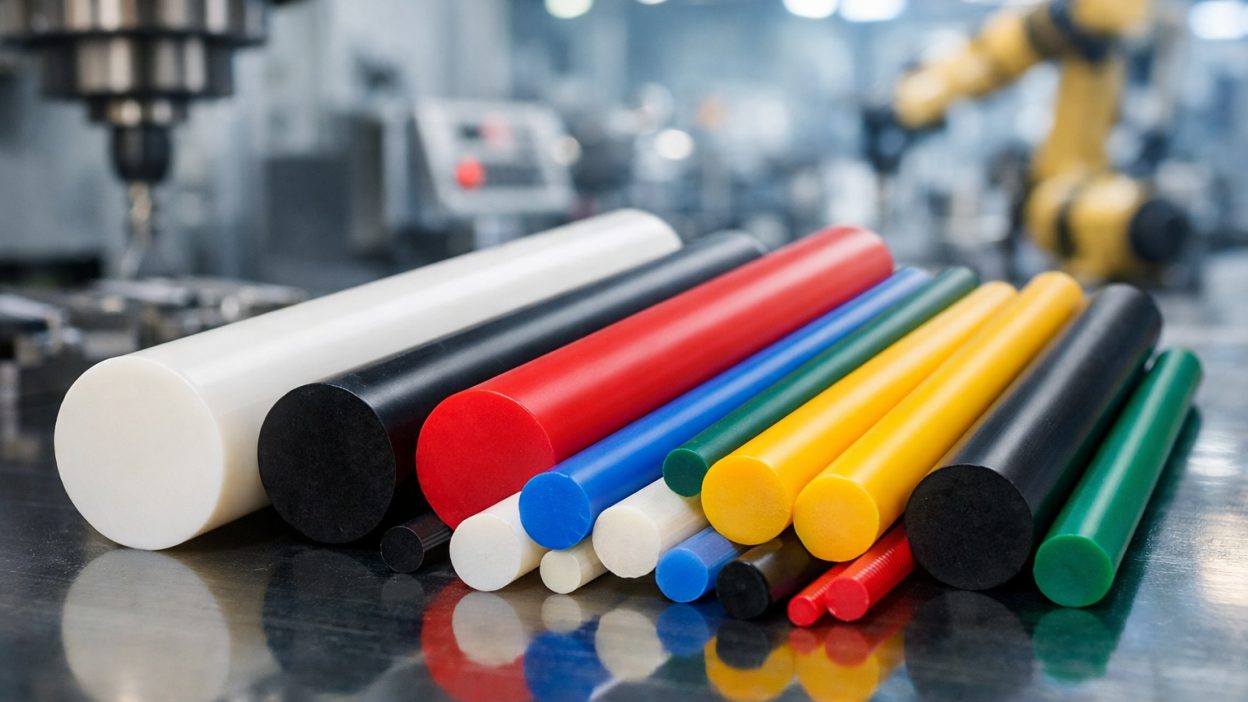
The selection of materials in modern manufacturing often determines the success and longevity of a project. While traditional metals were once the primary choice for heavy-duty applications, advanced polymers have changed the landscape for builders and engineers alike. These versatile components provide a unique blend of strength and adaptability that fits a wide range of industrial and domestic needs.
Whether you’re working on a complex mechanical system or a simple home repair, understanding how these materials perform is essential. They aren’t just alternatives to metal. They’re often the superior choice for specific environments where weight and corrosion are concerns. Read on to discover why these components are becoming a staple in toolkits across the UK.
What are Engineering Plastic Rods?
These products are high-performance polymer shapes designed to withstand significant physical stress and environmental challenges. Unlike standard decorative plastics, they’re engineered for functional reliability. They come in various formulations, such as Acetal, Nylon, and PTFE, each offering distinct characteristics like high impact resistance or low friction.
You’ll find that engineering plastic rods are incredibly easy to machine using standard workshop tools. This makes them a favourite for creating bespoke parts that require precision without the heavy cost of metal fabrication. Because they don’t rust or rot, they’re often more reliable than traditional materials in damp or chemically active settings.
5 Essential Applications for Plastic Rods
The versatility of these materials allows them to be used across several sectors, from sign-making to construction. Here are five ways they’re commonly utilised:
- Bearings and Bushings: Due to their natural lubricity, materials like Nylon are perfect for moving parts that need to operate smoothly without constant oiling.
- Electrical Insulation: Because they don’t conduct electricity, these rods are vital for creating spacers and supports in electrical panels.
- Prototyping: Designers use them to create durable models of mechanical parts before moving to full-scale production.
- Food Processing Equipment: Specific grades are hygienic and easy to clean, making them ideal for rollers in food production lines.
- Architectural Fixings: They’re often used for lightweight supports or decorative spacers in modern building designs.
The Advantages of Switching from Metal
One of the biggest benefits is the weight-to-strength ratio. These rods are significantly lighter than steel or brass, which reduces the overall weight of machinery and makes shipping much cheaper. This is particularly useful in the transport and aerospace sectors where every gram matters.
Additionally, these polymers offer excellent chemical resistance. They won’t corrode when exposed to harsh cleaning agents or salt water, which often destroys metal components over time. This durability ensures that your projects remain functional for years, even in the most demanding UK weather conditions.
Also Read: Alaskan Seiti Explained: Origin, Nutrition, and Uses
Last Words
Choosing the right material is about balancing performance with cost and ease of use. Engineering plastic rods provide a cost-effective and reliable solution for professionals and DIYers who need parts that can handle the pressure. From their lightweight nature to their impressive resistance to wear, they’ve earned their place in modern engineering.