
Travel across the UK hasn’t been flipped upside down. It hasn’t needed to be. What’s changed is quieter than that which is less friction, fewer small annoyances, fewer moments where things go slightly off track and throw everything off.
A drive that used to feel unpredictable now feels… manageable. Not perfect. Just easier. That’s really the shift. Not dramatic. Just noticeable enough that once experienced, it’s hard to go back.
The Rise of Connected Travel
Road travel used to rely a lot on guesswork. Miss a turn, realise too late, circle back. Hit traffic, sit through it, no real alternative. It wasn’t unusual; it was just part of the process. Now, things adjust as they happen.
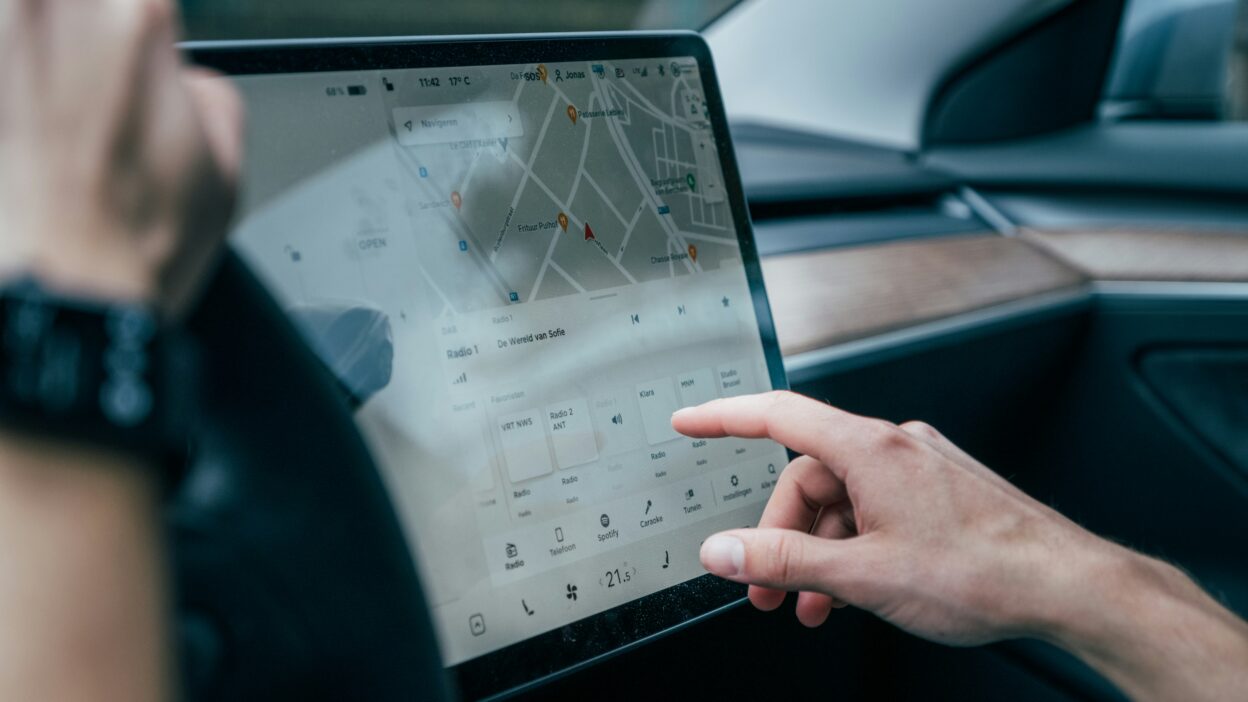
Traffic builds up, and routes change before it becomes a problem. Delays show up early enough to avoid them. Guidance from the highway code is still there, but it now sits alongside systems that respond in real time rather than after the fact.
Inside the vehicle, the experience feels lighter. Fewer distractions. Less need to constantly check something. Voice controls and synced apps, these are small things, but they reduce the mental load. The journey doesn’t demand as much attention as it used to.
Smart Energy and Sustainability
Energy used to be something dealt with when needed, such as fill up, plug in, and move on. Now it’s part of how people think about travel before even starting.
There’s more awareness around how much is being used and where it’s coming from. Solar-supported systems, improved battery setups, and energy-efficient appliances are becoming more common, especially in mobile travel.
Reports like the global EV outlook show the bigger picture, but the real change is simpler than that. People just don’t want to rely on constant external power the way they used to. Being able to stop somewhere without immediately thinking about charging or electricity changes the pace of a trip. It removes that quiet pressure in the background.
Remote Work Meets Mobility
Work doesn’t stay in one place anymore, so travel doesn’t either. It’s not unusual now for a journey to include work somewhere in between. A stop isn’t just a break; it might be a place to catch up, respond, reset, then move again.
With better 4G and 5G coverage across the UK, staying connected while travelling is more reliable. But connection is only part of it. The setup matters too, such as somewhere to sit properly, charge devices, and stay organised without overcomplicating things.
This has changed how people move. Plans don’t need to be tightly fixed. A location can change, and everything doesn’t fall apart. It just adapts.
Data-Driven Travel Decisions
There’s less “hope for the best” in travel now. Weather, traffic, routes, everything is visible while it’s happening. Decisions don’t have to wait. They adjust along the way.
Sometimes it’s small. Avoiding a busy road. Stopping earlier than planned. Choosing a better route without overthinking it. None of it feels significant in the moment, but together it changes how the journey unfolds.
Things still go wrong occasionally. But they don’t spiral the way they used to. There’s usually a way to adjust without much disruption.
Integration of Smart Living Features
Comfort has quietly become non-negotiable. People don’t want travel to feel like a downgrade anymore. They expect things to work, such as lighting, temperature, and basic systems, without needing constant attention.
These features don’t stand out because they’re not meant to. They just sit in the background, doing what they’re supposed to.
That shift is also visible in mobile travel setups. Providers like Allens Caravans are reflecting what people now expect, such as practical features like solar support and better energy systems that feel part of the setup, not something added on later.
It’s less about upgrading and more about not having to think about it at all.
Infrastructure Is Catching Up
None of this works properly without support around it. That part is still catching up, but it’s moving. Charging points are easier to find than they used to be. Mobile coverage drops less often. Roads are being managed in more responsive ways.
It’s not consistent everywhere. Some areas still lag. But overall, things are improving in a way that makes travel feel more reliable than before.
The Real Shift: Control and Flexibility
The biggest difference isn’t any one feature. It’s the overall feeling that things don’t fall apart as easily. Plans can change. Routes can shift. Stops can move around. And the journey still holds together.
There’s more flexibility without losing structure. That balance is what stands out.
Technology isn’t trying to stand out anymore. It’s just doing its job, quietly, consistently, and without getting in the way. And that’s what’s changed travel the most.
Read Also: Retail Consumers: What to Look for in Cannabis Dispensaries in Santa Barbara


