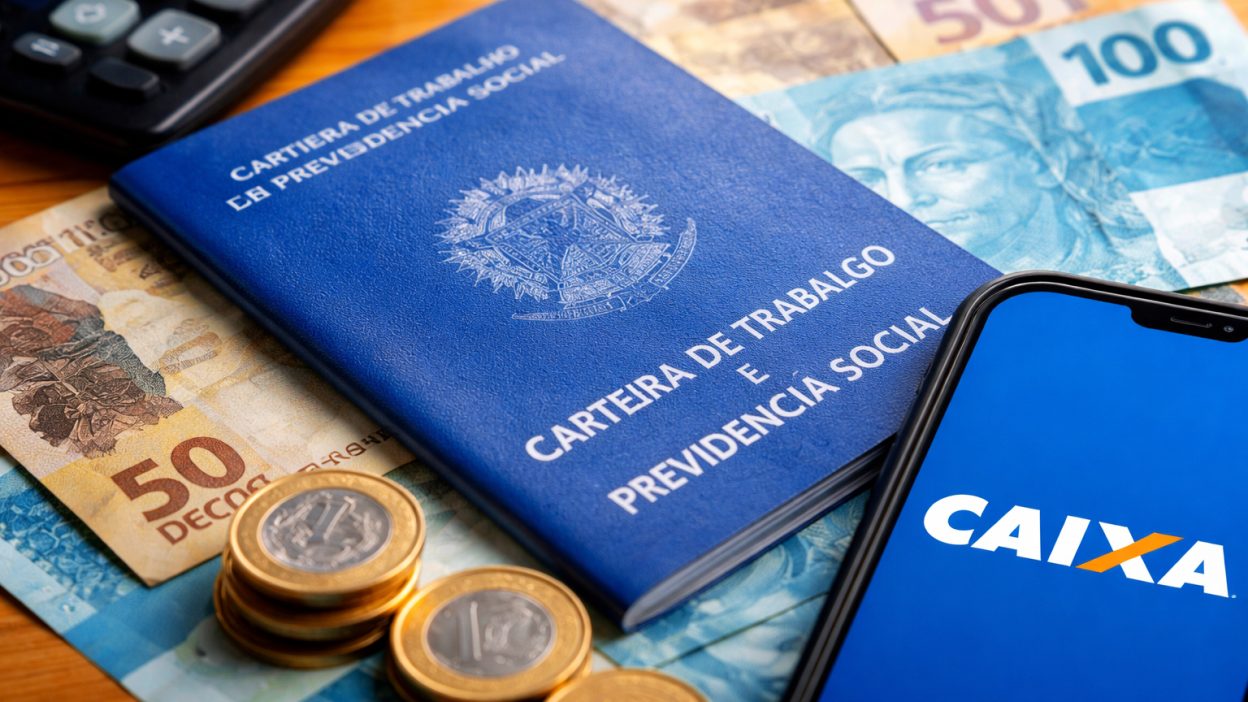
If you have ever searched for “eo pis” and ended up more confused than when you started, you are not alone. The term appears frequently in online searches, comments, and forums, yet it rarely comes with a clear explanation. For some people, “eo pis” is typed in a hurry. For others, it reflects uncertainty about a benefit, a number on a payslip, or a payment that may or may not arrive. What almost everyone shares is the same underlying question: what exactly does PIS mean, and how does it affect my money?
In Brazil, PIS is not just an abstract acronym. It is part of a system that directly impacts millions of workers every year. It can determine whether you receive an annual salary bonus, help fund unemployment insurance, or simply identify you in official labor records. Understanding it clearly can make the difference between missing a benefit and planning for it with confidence. This article explains the meaning behind “eo pis,” how the PIS system works in practice, and why it remains such a central topic for Brazilian workers.
Understanding what “eo pis” usually refers to
When people type “eo pis,” they are rarely asking a technical question. Most of the time, it is shorthand for something like “is this PIS?” or “what is PIS?” The phrase often appears after someone notices an unfamiliar credit in their bank account, sees a PIS number on a document, or hears that colleagues are receiving an annual bonus.
Search behavior shows that “eo pis” is closely tied to moments of uncertainty. A worker might have heard about a PIS payment scheduled for a certain month and wants confirmation. Another person may have been told they qualify for something called Abono Salarial and wants to know if PIS is the same thing. In all these cases, the intent is practical rather than academic. People want to know if they are entitled to money, when it will be paid, and how to check it safely.
The origin and purpose of PIS
PIS stands for Programa de Integração Social, a program created in 1970 to integrate private-sector employees into the economic life of companies. From the beginning, the idea was not only to identify workers but also to create a financial mechanism that could support them during key moments, especially periods of low income or unemployment.
The importance of PIS grew significantly after the 1988 Federal Constitution. Article 239 established that the funds collected through PIS and its public-sector counterpart, Pasep, would be used to finance unemployment insurance and the Abono Salarial. Part of these resources is also directed toward economic development through national financing structures. In practice, this means that PIS is woven into the broader social protection system rather than functioning as a standalone benefit.
PIS, Pasep, and why people mix them up
One reason “eo pis” causes confusion is that PIS does not exist in isolation. There is also Pasep, which applies mainly to public servants. Although they serve similar purposes, they are administered through different channels.
For private-sector workers, the program is PIS, and payments are handled by Caixa Econômica Federal. For public servants, the equivalent is Pasep, and payments are handled by Banco do Brasil. Despite this distinction, many people refer to everything as “PIS,” especially in informal conversations. This habit fuels confusion, particularly when someone checks the wrong bank or service and finds no information.
The PIS number and what it actually represents
Another source of misunderstanding is the PIS number itself. Every registered worker has a PIS or NIS number, which serves as an identification code in social programs. Seeing this number on a payslip or employment record does not automatically mean you are entitled to receive money.
The PIS number is essentially an identifier. It allows the government and employers to track contributions and eligibility for benefits. Having a PIS number is necessary to receive the Abono Salarial, but it is not sufficient on its own. Eligibility depends on income limits, time worked, registration age, and correct employer reporting. Many searches for “eo pis” happen precisely because people assume that having the number guarantees a payment.
What the Abono Salarial is and why it matters
When most people search “eo pis,” they are really thinking about the Abono Salarial. This is an annual benefit paid to eligible workers who meet specific criteria. It can reach the value of up to one minimum wage, depending on how many months the person worked in the reference year.
The Abono Salarial is designed to support low-income workers. It functions as a supplement rather than a bonus for high earners. For many families, it arrives at a critical moment, helping to cover school expenses, debt payments, or basic household costs. Because it is paid only once a year, missing it due to misinformation or late checking can have a noticeable impact.
Eligibility rules and why they are stricter than people expect
Eligibility for the Abono Salarial follows clear rules, but they are often misunderstood. To qualify, a worker must be registered in PIS or Pasep for at least five years. They must also have worked for at least 30 days during the reference year, even if those days were not consecutive.
Income is another key factor. The worker’s average monthly salary during the reference year must fall below a defined ceiling. This ceiling changes over time and is adjusted according to official criteria. Finally, employer information must be correctly submitted to government systems within deadlines. Even a small reporting error can temporarily block eligibility, which explains why some people believe they qualify but see no payment.
How the payment amount is calculated
One of the most common questions behind “eo pis” is why different people receive different amounts. The calculation is proportional. The Abono Salarial is paid based on the number of months worked in the reference year. Someone who worked the full year receives the maximum value. Someone who worked fewer months receives a fraction.
This proportional system often surprises workers. Two colleagues earning similar salaries may receive very different amounts simply because one worked the entire year while the other started midyear. Understanding this logic helps manage expectations and reduces frustration when the payment arrives.
Payment schedules and timing
Timing is another major driver of “eo pis” searches. Payments are released according to an official calendar, usually based on the worker’s month of birth. This staggered approach helps manage the flow of payments but can create confusion for those who expect everyone to be paid at the same time.
The payment window typically opens early in the year and extends for several months. Importantly, the money does not disappear immediately if it is not withdrawn. There is usually a long availability period, followed by a legal timeframe in which the worker can still request the amount. Nevertheless, many people miss out simply because they forget to check or assume the payment was automatic.
Where and how the money is paid
For private-sector workers, PIS payments are made through Caixa Econômica Federal. If the worker has an account there, the amount is often credited automatically. If not, digital accounts or in-person withdrawals are available. For public servants, Pasep payments are handled by Banco do Brasil, with options such as account credit or transfers.
Confusion arises when workers check the wrong bank or assume that a payment will appear in any account they own. Knowing which institution handles your benefit is essential. This detail alone resolves a large share of “eo pis” searches.
The difference between Abono Salarial and PIS/Pasep quotas
Another topic that surfaces in searches is the idea of PIS or Pasep quotas. These are not the same as the Abono Salarial. Quotas refer to balances accumulated under older program structures, mainly affecting workers who were formally employed decades ago.
People sometimes hear relatives talk about withdrawing “PIS quotas” and assume it applies to everyone. In reality, this is a separate process with its own consultation channels. Mixing the two concepts can lead to false expectations and unnecessary frustration.
Common reasons people think they qualify but do not receive payment
Many workers are convinced they meet all criteria and still see no payment. In most cases, the issue is not eligibility itself but information flow. Employer data may be incomplete or submitted late. Income calculations may slightly exceed the ceiling due to bonuses or overtime. In some cases, workers check before the system is fully updated for the year.
These situations explain why “eo pis” often appears alongside expressions of doubt or complaint. The system is rule-based, but it depends heavily on accurate and timely data. When that chain breaks, the worker feels the impact first.
Why PIS remains relevant in modern Brazil
Despite being created more than fifty years ago, PIS remains deeply relevant. It supports unemployment insurance, supplements income for low-wage workers, and contributes to broader economic stability. Millions of people rely on it each year, even if they do not always understand how it works.
The continued interest in terms like “eo pis” reflects this relevance. People care because the program affects their daily lives. In times of rising costs and economic uncertainty, even a once-a-year payment can make a meaningful difference.
Read Also: Leslie Knipfing Biography: Life Beyond Fame and Spotlight
Conclusion
The search term “eo pis” may look small and informal, but it opens the door to a much larger system that shapes the financial reality of Brazilian workers. PIS is more than a number and more than a single payment. It is part of a social structure designed to protect workers, supplement income, and provide support during vulnerable periods.
Understanding how PIS works, what the Abono Salarial really is, and why eligibility rules matter empowers workers to act with clarity instead of confusion. It reduces the risk of missing benefits and helps set realistic expectations. In the end, the real value of understanding “eo pis” is not just knowing what the acronym means, but knowing how to use that knowledge to protect your own financial well-being.