
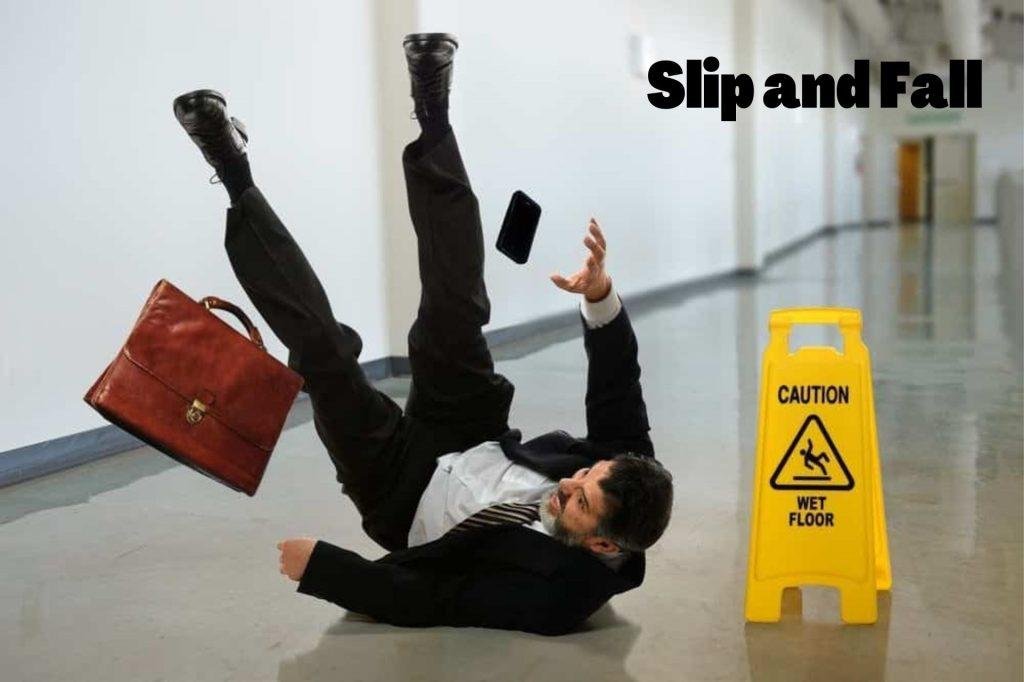
Slip-and-fall accidents may seem minor at first glance, but the legal consequences for businesses can be significant. These incidents are among the most common personal injury claims filed against commercial establishments, from retail stores to office complexes. A company may be found legally liable under premises liability law if a customer or visitor is hurt as a result of a dangerous condition on the property.
1. Premises Liability
The area of law known as premises liability holds property owners accountable for keeping their properties safe. Under this principle, businesses have a legal duty to ensure their premises are free from unreasonable hazards that could cause injury to lawful visitors. A firm may be held accountable for the victim’s damages, such as medical expenses, missed income, and pain and suffering, if it neglects this obligation and someone is hurt as a result.
2. Proving Negligence in Slip-and-Fall Cases
To succeed in filing a claim for slip and fall injuries, the plaintiff must generally prove that the business was negligent. This involves demonstrating the following:
- A hazardous condition existed on the property,
- The business either knew or should have known about the danger, and
- The business failed to correct the condition or provide a proper warning.
A critical factor in these cases is proving “constructive knowledge,” that is, the hazard was present long enough that a reasonably attentive business would have discovered and addressed it. Evidence like surveillance footage, cleaning or maintenance logs, and witness statements is frequently utilized to determine how long the hazardous condition persisted and whether the company took the necessary precautions.
3. Hazardous Conditions
Common hazards that give rise to slip-and-fall claims include wet or recently mopped floors, uneven walkways, loose rugs, poor lighting, or debris in customer pathways. Seasonal hazards like snow and ice also come into play, especially in areas where businesses must clear sidewalks and entrances. The foreseeability of harm plays a crucial role if a risk is deemed foreseeable; failure to prevent it could amount to negligence.
4. Status of the Injured Party
The duty a business owes to someone on its property depends in part on that person’s status. Most courts distinguish between invitees, such as customers, licensees, social guests, and trespassers. Companies have the highest responsibility to invitees, which includes timely hazard remediation and routine inspections. While they owe less to trespassers, liability may still arise in cases involving known risks or child trespassers.
Defenses Businesses May Use
Businesses facing slip-and-fall claims may raise several defenses. One common defense is comparative negligence, arguing that the injured party bears some responsibility for their fall, such as ignoring warning signs or wearing inappropriate footwear. If the hazard was “open and obvious,” courts may find the business had no duty to warn. Documentation and consistent safety protocols are vital tools in asserting these defenses.
In Conclusion
Slip-and-fall accidents are not merely accidents; they often become legal battlegrounds that test a business’s commitment to safety. Under premises liability law, companies must act reasonably to prevent foreseeable injuries on their property. Failing to do so may have serious financial and legal repercussions.


